Board of Directors
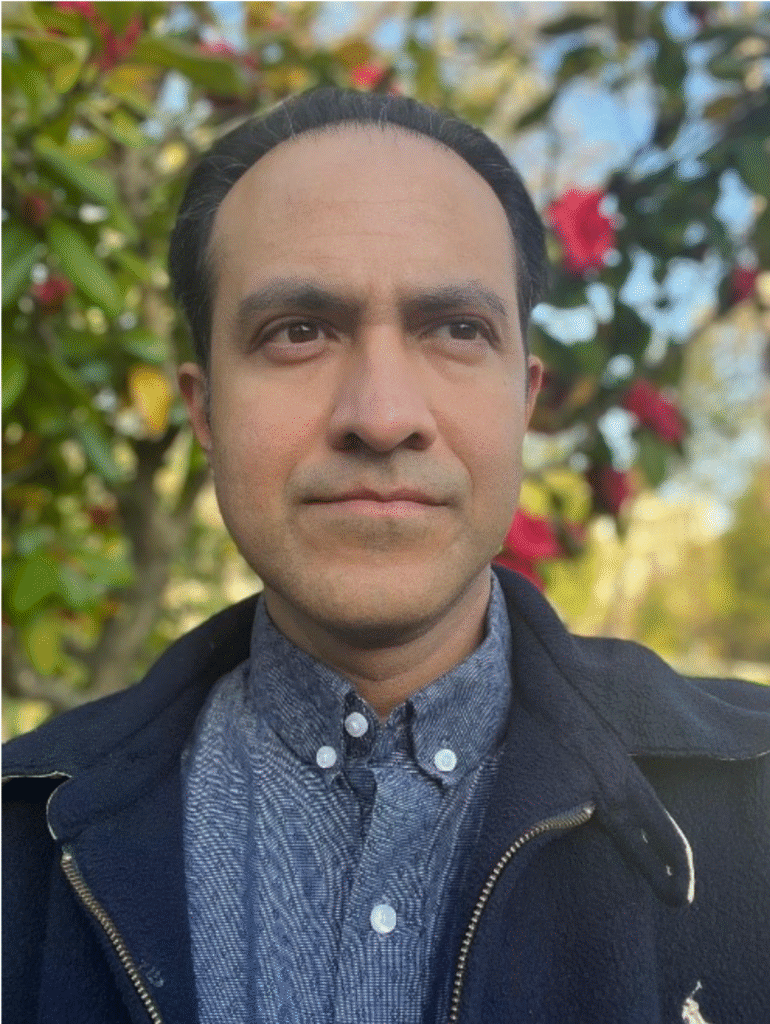
Professor Saleem H. Ali
UNIVERSITY OF DELAWARE, UNITED STATES
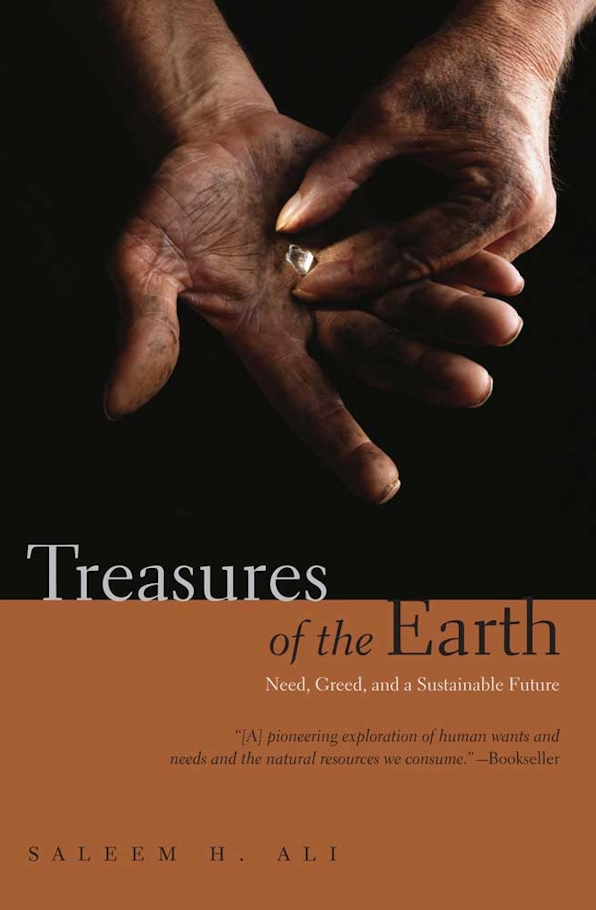
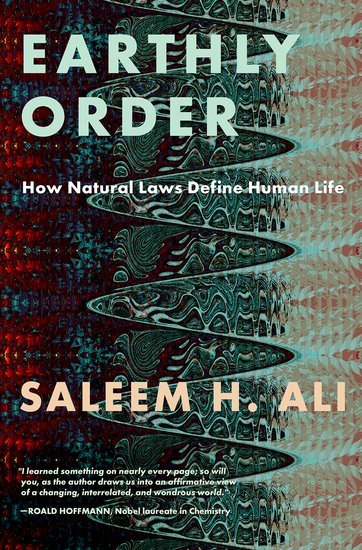
Saleem H. Ali is Chair and Distinguished Professor of Geography at the University of Delaware (USA). He also serves as Lead for Critical Metals at the United Nations University INWEH and as Honorary Professor at the Sustainable Minerals Institute in Australia. Before embarking on an academic career, Prof. Ali worked as an environmental health and safety professional at General Electric Corporation. Born in New Bedford, Massachusetts (USA), Dr. Ali grew up in Lahore, Pakistan until his college years, receiving his bachelor’s degree in chemistry from Tufts and his master’s and Ph.D. degrees in environmental planning at Yale and MIT, respectively. His laurels include being a National Geographic Explorer, with field experience in more than 170 countries and all continents; being selected as a “Young Global Leader” by the World Economic Forum. He is a member of the United Nations International Resource Panel and serves on the board of Amazon Aid and Adventure Scientists. Dr. Ali’s books include Sustainability: A Very Short Introduction (Oxford) Soil to Foil: Aluminum and the Quest for Industrial Sustainability (Columbia) Earthly Order: How Natural Laws Define Human Life (Oxford) and Treasures of the Earth: Need, Greed and a Sustainable Future (Yale).
Publications
Professor Paul Arthur Berkman
PROGRAM ON NEGOTIATION AT HARVARD LAW SCHOOL, UNITED STATES
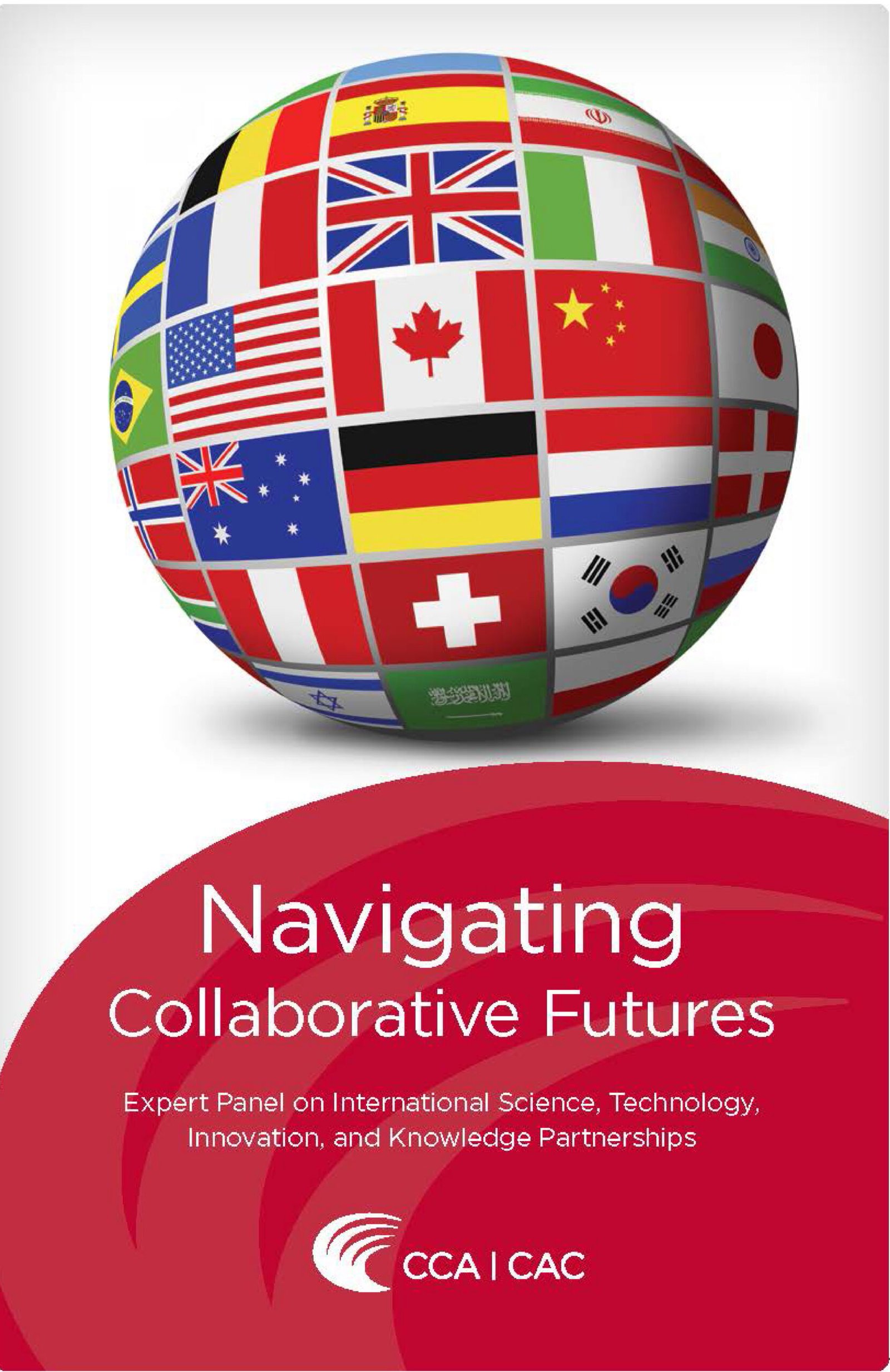
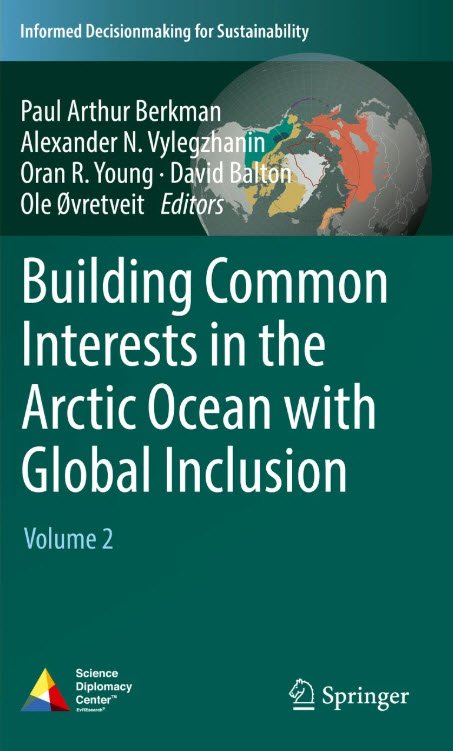
Professor Berkman is a Faculty Associate with the Program on Negotiation at Harvard Law School, Associate Director of Science Diplomacy, MIT-Harvard Public Disputes Program and a Visiting Distinguished Professor with the International Institute of Science Diplomacy and Sustainability at UCSI University in Malaysia. Prof. Berkman is a Fulbright Specialist 2024-2027 with the United States Department of State, serving previously as Fulbright Arctic Chair (2021-2022) and Fulbright Distinguished Scholar (2006-2007). Prof. Berkman was a Fellow of the United Nations Institute for Training and Research (2019-2025), training science diplomacy with the diplomatic corps of two dozen nations. He chaired the 2009 Antarctic Treaty Summit, which produced the first book on Science Diplomacy, and in 2010 the first formal dialogue between NATO and Russia regarding security the Arctic. He is senior editor of the Springer book series on Informed Decisionmaking for Sustainability. Paul holds a Guinness World Record set in 1981 and was a Visiting Professor at the University of California Los Angeles in 1982 when he was 23 years old, as described in his 2002 book about Science into Policy: Global Lessons from Antarctica. Prof. Berkman is a Fellow of the International Science Council. Prof. Berkman founded the Science Diplomacy Center, Inc. in 2022.
Publications
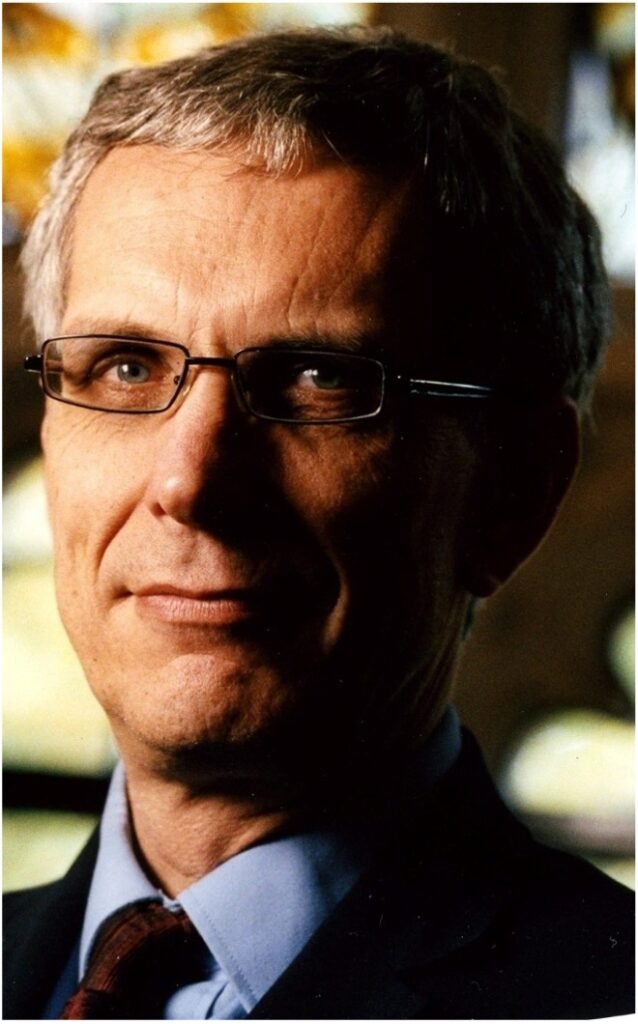
Professor Sir David Clary
FRS UNIVERSITY OF OXFORD
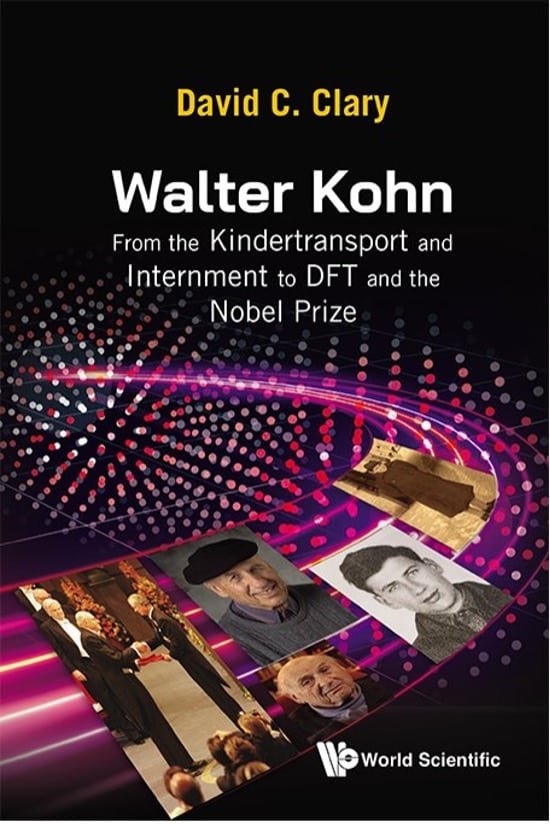
Sir David is Emeritus Professor of Chemistry at the University of Oxford and is Senior Advisor to the Project on Science, Technology and the Environment at the Oxford Centre for Islamic Studies. He was President of Magdalen College Oxford from 2005-20 and was the first Chief Scientific Adviser to the Foreign and Commonwealth Office of the United Kingdom from 2009-13. He has been elected to many academies including the Royal Society, American Association for the Advancement of Science, American Physical Society, International Academy of Quantum Molecular Science, and American Academy of Arts and Sciences. He was knighted by Queen Elizabeth II in her 2016 birthday honours for services to international science. Sir David has won many prizes for his research on the quantum theory of chemical reactions including the Royal Society of Chemistry Meldola, Marlow, Corday-Morgan, Tilden, Polanyi, Chemical Dynamics, Liversidge and Spiers awards, and the medal of the International Academy of Quantum Molecular Science. Recently, Sir David has written a trilogy of books on scientific refugees in the 20th century: Schrödinger in Oxford, The Lost Scientists of World War II, and Walter Kohn: From Kindertransport and Internment to DFT and the Nobel Prize. He is also co-author with Shahid Jameel of Disruptive Technologies and Muslim Societies. From AI and Education to Food and Fintech.
Publications
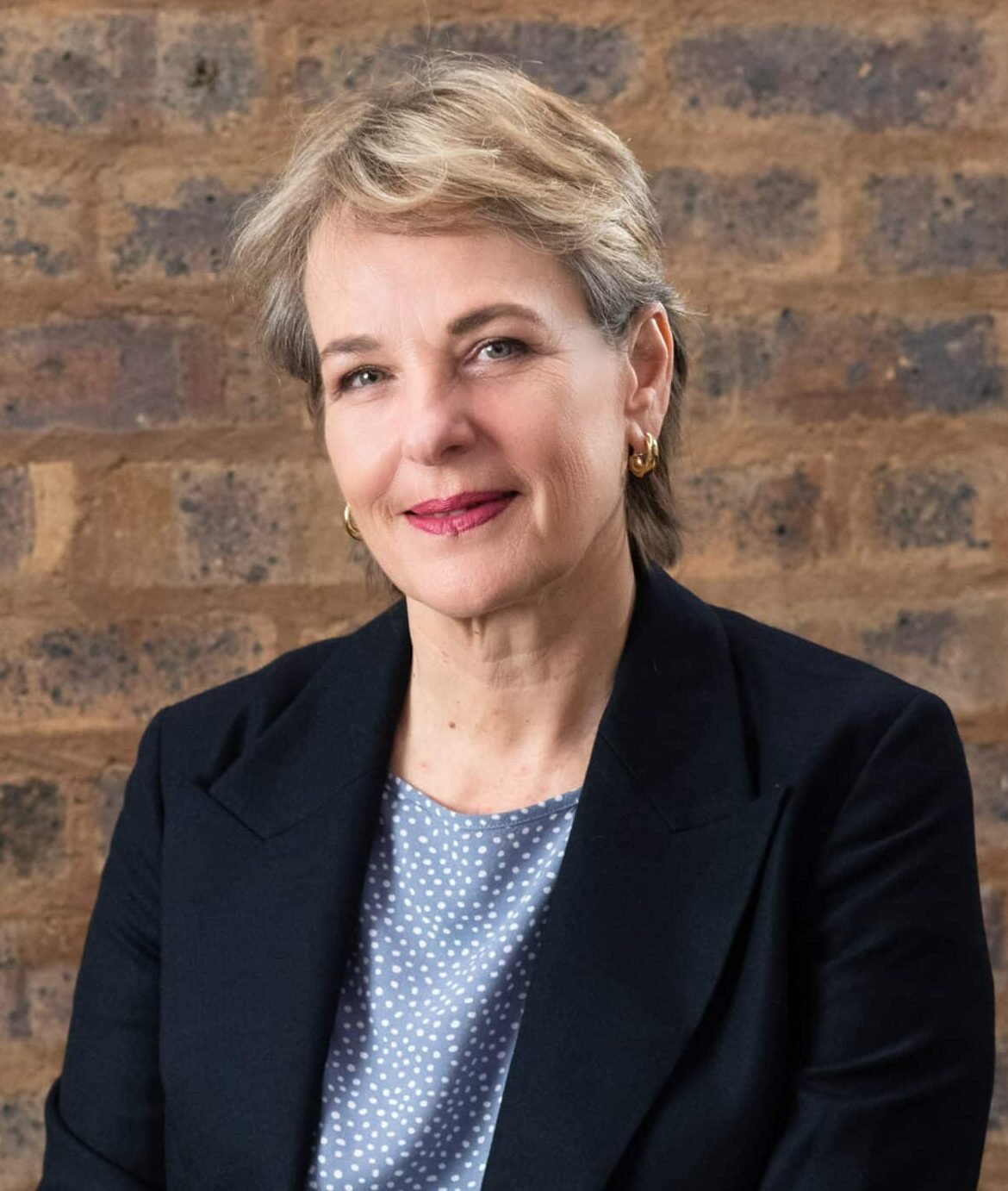
Dr. Heide Hackmann
STELLENBOSCH UNIVERSITY
Heide Hackmann holds a Chair in Science Futures and is Director of the Centre for Research on Evaluation, Science and Technology (CREST) at Stellenbosch University. She holds an MPhil in Contemporary Social Theory from the University of Cambridge in the UK and a PhD in Science and Technology Studies from the University of Twente in the Netherlands. Before joining CREST she served as Director of Future Africa at the University of Pretoria in South Africa (2022-2024); as the founding CEO of the International Science Council in Paris (2018-2022); and as Executive Director of the Council’s two predecessor organizations, the International Council for Science (2015-2018) and the International Social Science Council (2007-2015). Dr Hackmann has 25 years of international experience in science and technology policy, global science strategy and systems development, international science advice and diplomacy. Her work has consistently emphasized interdisciplinary and transdisciplinary research, the role of science in addressing complex societal challenges, equitable global partnerships, and the strengthening of science systems in Africa and the Global South. She continues to serve as an advisor to the United Nations and remains active on the boards of numerous international scientific organisations and initiatives. She is a Fellow of the International Science Council (ISC), and chairs South Africa’s ISC Advisory Council.
Publications
Dr. Erica Key
FUTURE EARTH US GLOBAL HUB ·
SYSTEMS TRANSFORMATION PARTNERS, UNITED STATES
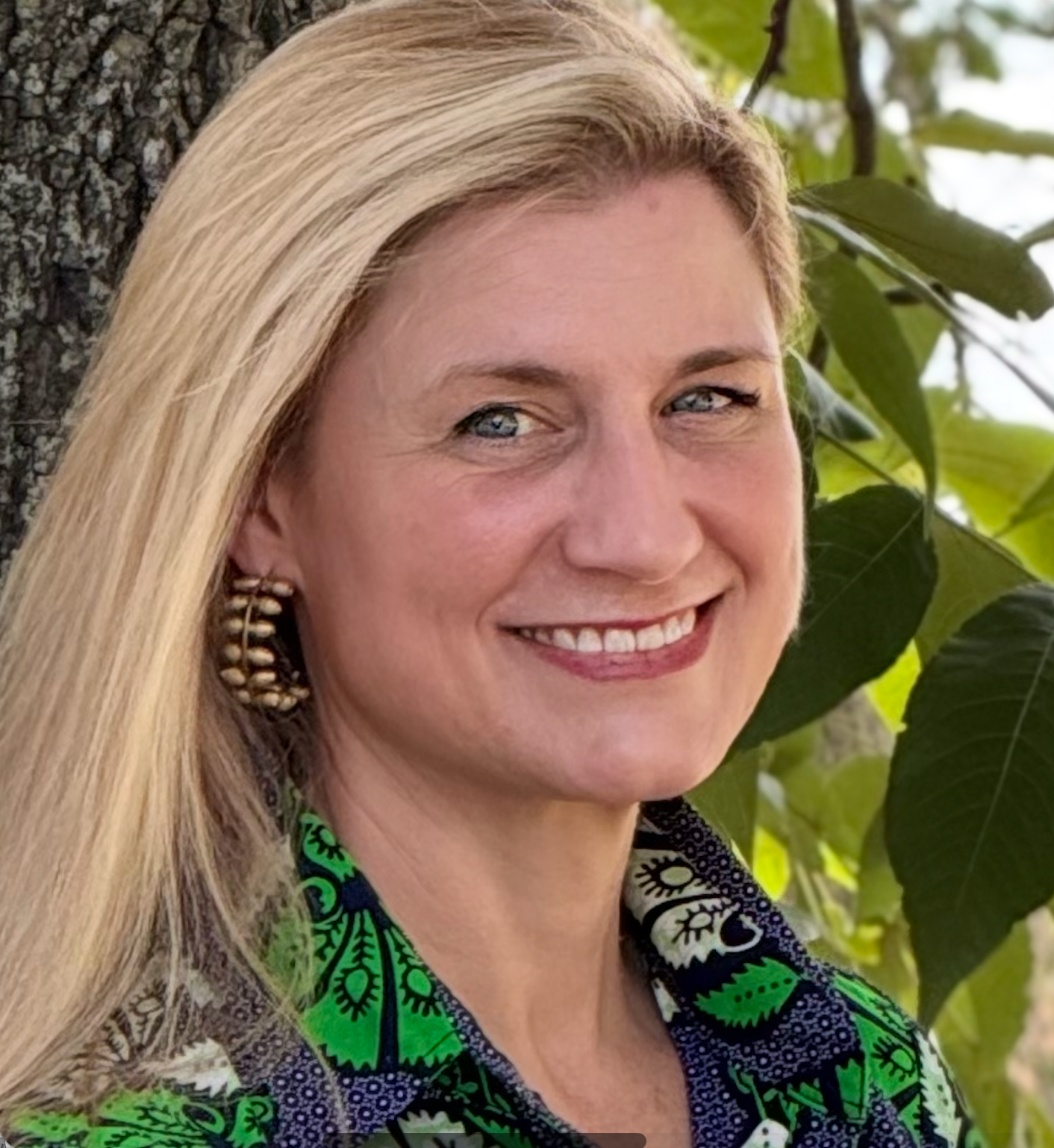
Erica Key builds the connective systems that bring science, people, and resources together, creating trust-built relationships across disciplines, nations, knowledge traditions, and communities. Her career began studying the Earth’s coupled natural systems, with a Ph.D. in meteorology and physical oceanography from the University of Miami, and has grown to encompass the human relationships and institutions through which knowledge becomes shared action. At the U.S. National Science Foundation, she directed the Arctic System Science program and helped advance the agency’s systems approaches, including its investments in sustainability, observing systems, ethically open data, science diplomacy, and Indigenous and community knowledge. As Executive Director of the Belmont Forum, she advanced transdisciplinary research by creating flexible international co-investment and review platforms that emphasized collaboration with both added value and rigor. She also founded the Sustainability Research and Innovation Congress and championed open-data policies to enhance co-development and knowledge exchange. Today she leads Future Earth’s US Global Hub — host of the Global Indigenous Youth Summit on Climate Change — and founded Systems Transformation Partners. She advises the UN Science-Policy-Business Forum and France’s Institute for Research and Development and is the Enabling Environments Steward for Financial Ecosystems for Systemic Transformation. Her continued work supporting environmental peacebuilding and blended, regenerative, and Indigenous financial instruments advances our shared capacity for collaboration — bringing systems approaches to problems where trust, evidence, and value must be built together, across every scale from the local to the global.
Publications
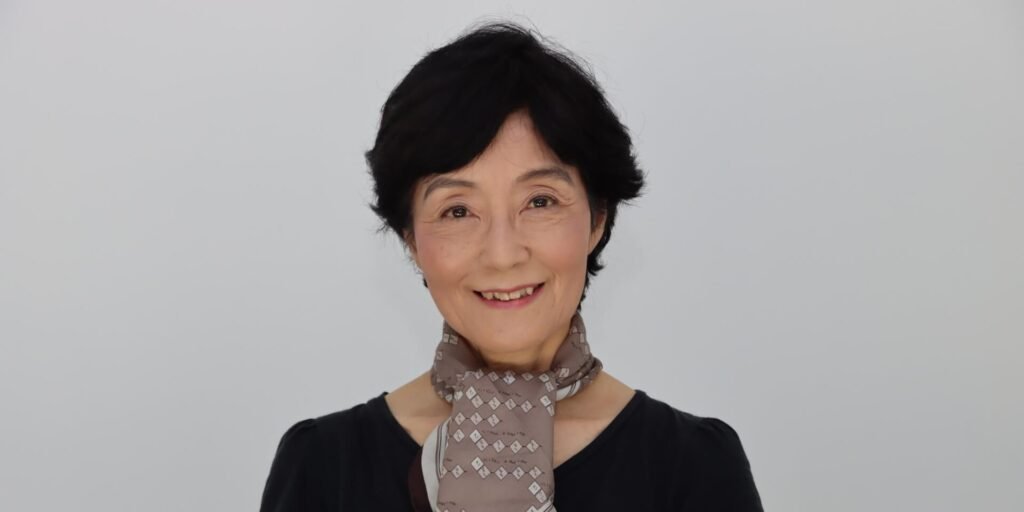
Professor Dr. Reiko Kuroda
CHUBU UNIVERSITY & THE UNIVERSITY OF TOKYO, JAPAN
Professor Dr. Reiko Kuroda is a Professor Emeritus at The University of Tokyo, where she became the first woman to be made full professor of natural sciences in 1992. Prof. Kuroda is a scientist known for her seminal contributions to left-and-right asymmetry in chemistry, spectroscopy, crystallography, molecular and developmental biology. Recently, she has expanded her research to include schistosomiasis, a neglected tropical disease. She has published over 355 original research papers including articles in Nature, Angewandte Chemie and Science Advances, and has given many invited lectures at international meetings. Her scientific achievements have been recognized through many prizes/awards. She is a L’Oréal UNESCO Women in Science Laureate and one of 175 past/current chemists featured by the Royal Society of Chemistry UK for its 175th anniversary. Reiko is a foreign member of the Royal Swedish Academy of Sciences. She was appointed to serve as a governor for the Cambridge Crystallographic Data Centre in 2006. Professor Dr Reiko Kuroda established the Science Interpreter Training Programme at the University of Tokyo, served as the Scientific Advisory Board member of the United Nations Secretary General on Global Sustainability and was a G7 GEAC (Gender Equality Advisory Council) member for the UK (2021), Germany (2022), and Japan (2023) She is a full member of The Club of Rome and Fellow of TWAS (The World Academy of Sciences for the advancement of science in developing countries), She served as Vice President of ICSU (International Council of Science) and now is a Fellow of the International Science Council (ISC). She is also a steering committee member with the Asia Chapter of the INGSA (International Network for Government Science Advice).
Publications
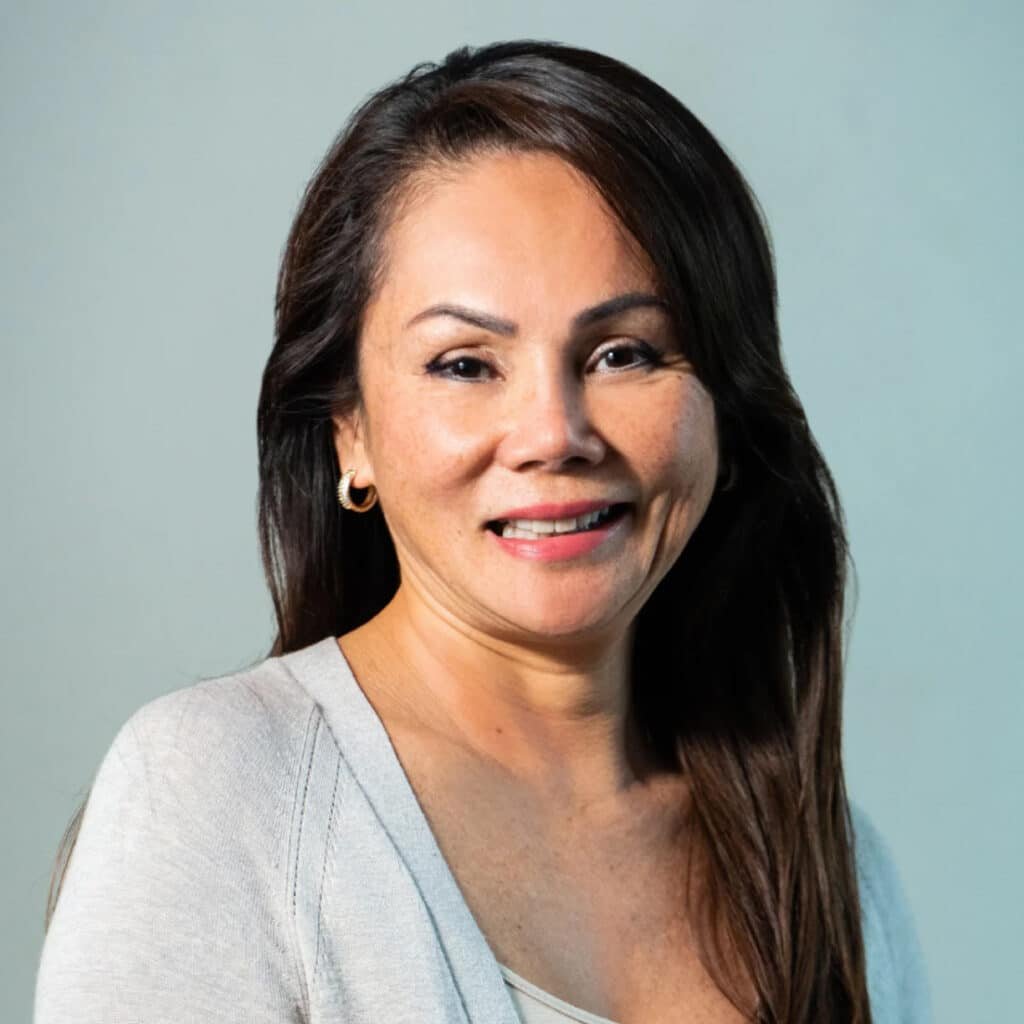
Marcella Ohira
INTER-AMERICAN INSTITUTE FOR GLOBAL CHANGE RESEARCH
Marcella Ohira is the Deputy Executive Director and Director of the Science Diplomacy Center at the Inter-American Institute for Global Change Research (IAI), where she is responsible for proposing strategies, programs, and activities to promote global change research, capacity building and the uptake of science to support decision-making. Marcella has launched innovative capacity building programs at the science-policy interface, based on scientific advice and diplomacy, transdisciplinary research training, and developed multinational networks. She has established the Science Diplomacy Center, and designed the Science, Technology and Policy (STeP) Fellows Program, and the Transdisciplinary Training and the Seed Grant Program for IAI’s 19 member countries. She has also led over 120 IAI training workshops and science diplomacy events on global change and has managed several international grants. She also conducts negotiations and develops partnerships with national and international institutions and funding agencies. Marcella previously worked in international technical cooperation at the Brazilian Cooperation Agency, the Division of Technical and Technological Cooperation of Brazil’s Ministry of Foreign Affairs, and at the US NOAA’s Office of Global Programs in support of regional global change organizations.
Publications
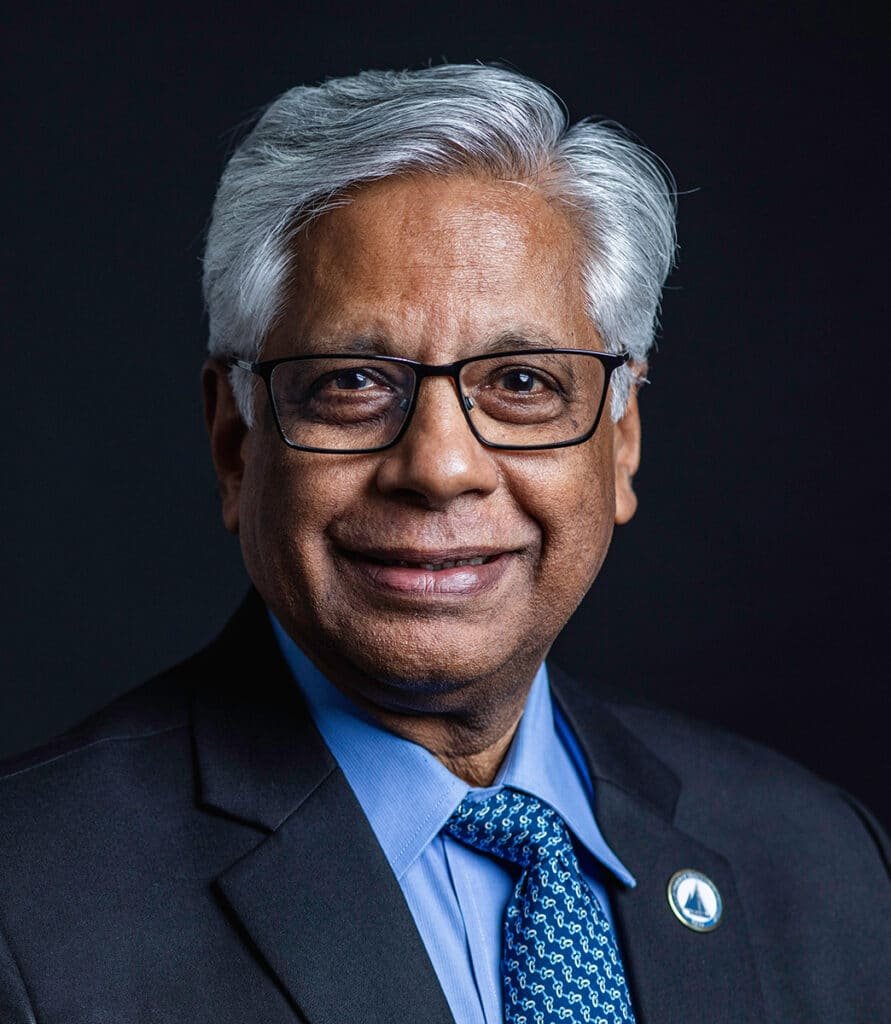
Dr. Kilaparti (Rama) Ramakrishna
WOODS HOLE OCEANOGRAPHIC INSTITUTION, UNITED STATES
Kilaparti (Rama) Ramakrishna is the Director of Marine Policy Center and Senior Advisor to the President on Ocean and Climate Policy at the Woods Hole Oceanographic Institution. Prior to this he had worked extensively with the United Nations, as Head of Strategic Planning at Green Climate Fund; head of the UNESCAP ENEA Office; as Principal Policy Advisor to the Executive Director of UNEP. Dr. Ramakrishna was a lead author of the fifth assessment (and many before it) by the Intergovernmental Panel on Climate Change. Before joining the United Nations, Dr. Ramakrishna worked for many years as director of science in public affairs and vice president at the Woods Hole Research Center in Massachusetts. During this time, he taught at several law schools including at the Fletcher School of Law and Diplomacy, Harvard Law School, Boston University and Boston College Law Schools, Brandeis and Yale Universities. He is an elected life member of the US Council on Foreign Relations. He is also a Member of Board of Directors of the Woodwell Climate Research Center, Consensus Building Institute, One Ocean Foundation and the ClientEarth. Dr. Ramakrishna holds B.Sc and B.L degrees in sciences and law, masters and PhD degrees in international law.
Publications
Dr. Hayat Sindi
UNESCO AMBASSADOR, BsC (KCL), PhD (CANTUB)
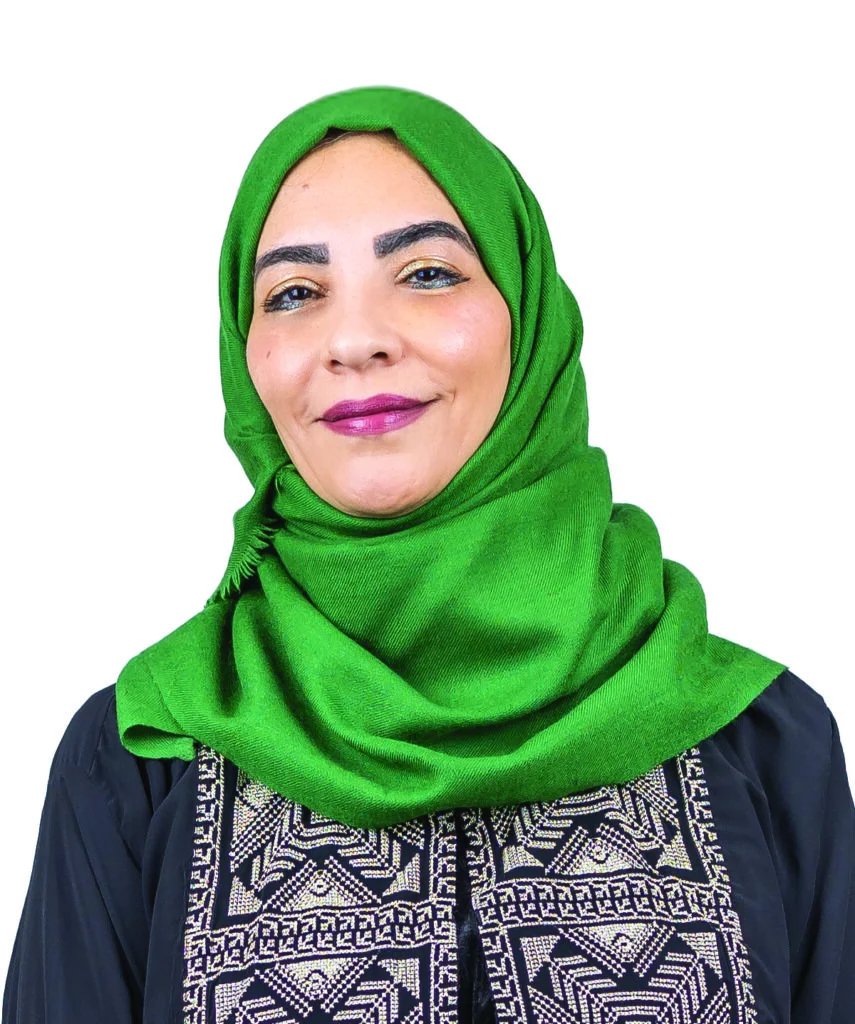
Dr. Hayat Sindi is a pioneering Saudi medical scientist renowned for her contributions to biotechnology and healthcare innovation. Dr Sindi was among the first 30 women to sit in the Shura Council, Saudi Arabia’s consultative. She holds nine patents, including a groundbreaking device that uses light and ultrasound to detect breast cancer early. Dr. Sindi was the first woman from the Gulf region to earn a PhD in biotechnology from the University of Cambridge. As co-founder of the non-profit “Diagnostics For All,” she developed affordable diagnostic tools for underserved populations, earning top honors in prestigious competitions such as the Harvard Business School ‘Business Plan Contest’ and MIT’s $100K Entrepreneurship Competition in 2008. Her work at Harvard earned her a spot in the “Connect a Million Minds” documentary, supported by the U.S. Executive Office. Dr. Sindi’s impact extends beyond science. She is a UNESCO Goodwill Ambassador, advocating for science education, especially for girls in the Middle East. She’s been recognized with numerous awards, including the Clinton Global Citizen Award and a place among BBC’s Top 100 Women in 2018. In 2017, Dr Sindi was appointed as Senior Scientific Advisor to the President of the Islamic Development Bank (IsDB), and she continues to shape global science and development policies. In 2024, she received the Exceptional Women of Peace Award for Leadership in Science and Technology, cementing her legacy as a global leader in both science and social entrepreneurship and recently The Business Excellence Institute selected Dr Hayat Sindi to celebrate her contribution at The Excellence Hall of Fame 2025.
Publications
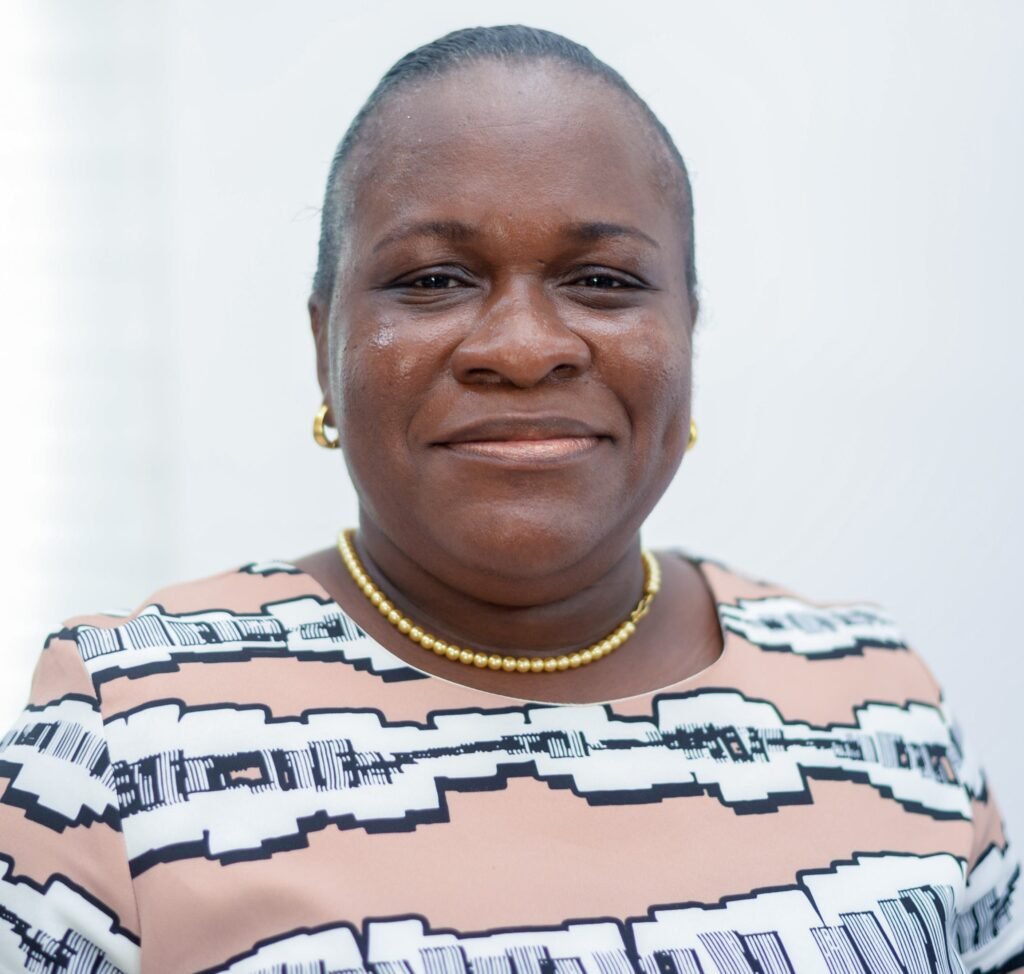
Professor Temitope O. Sogbanmu
UNIVERSITY OF LAGOS, NIGERIA
Temitope O. Sogbanmu, PhD, is an Environmental Toxicologist and Pollution Management expert with nearly two decades of experience in addressing environmental pollution through evidence-informed transdisciplinary approaches. She leads transdisciplinary projects and engagements being the co-founder and Inaugural Lead of the Global Indigenous Youth Summit on Climate Change (GIYSCC) coordinated by Prof. Paul Berkman. Further, she is the founder of the Evidence Use in Environmental Policymaking in Nigeria (EUEPiN), and the Sustainable Coastal Ecosystems Partnership through Assessments and Community Empowerment (SCEPACE). Her work has been cited in major global and national policy documents relating to climate change as well as plastic and air pollution management. Her contributions have earned her several honors, including the L’Oréal-UNESCO For Women in Science Sub-Saharan Africa Award (2014), and the African Evidence Leadership Award – Evidence Intermediary category (2022). She is a strong advocate for science communication, evidence-informed policymaking, and the UN Sustainable Development Goals (6, 11, 13, and 14). Dr. Sogbanmu holds a Ph.D., M.Sc., and B.Sc. (Hons) from the University of Lagos, along with certifications in Management and Human Resource Management. She is a Senior Lecturer at the University of Lagos, where she leads the Environmental Evidence Synthesis and Knowledge Translation Research Cluster.
Publications
Professor Lawrence E. Susskind
MASSACHUSETTS INSITUTE OF TECHNOLOGY, UNITED STATES
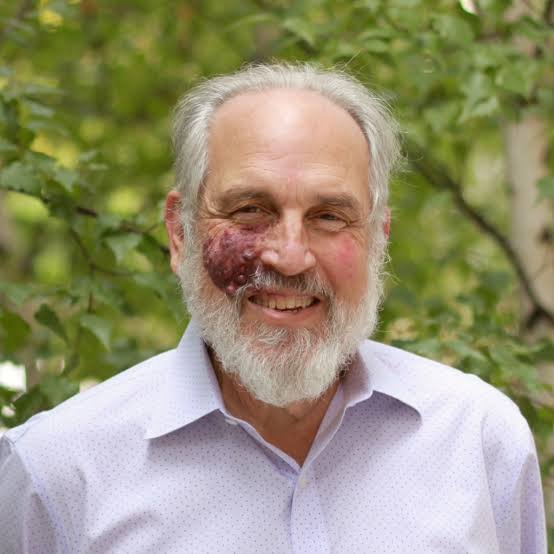
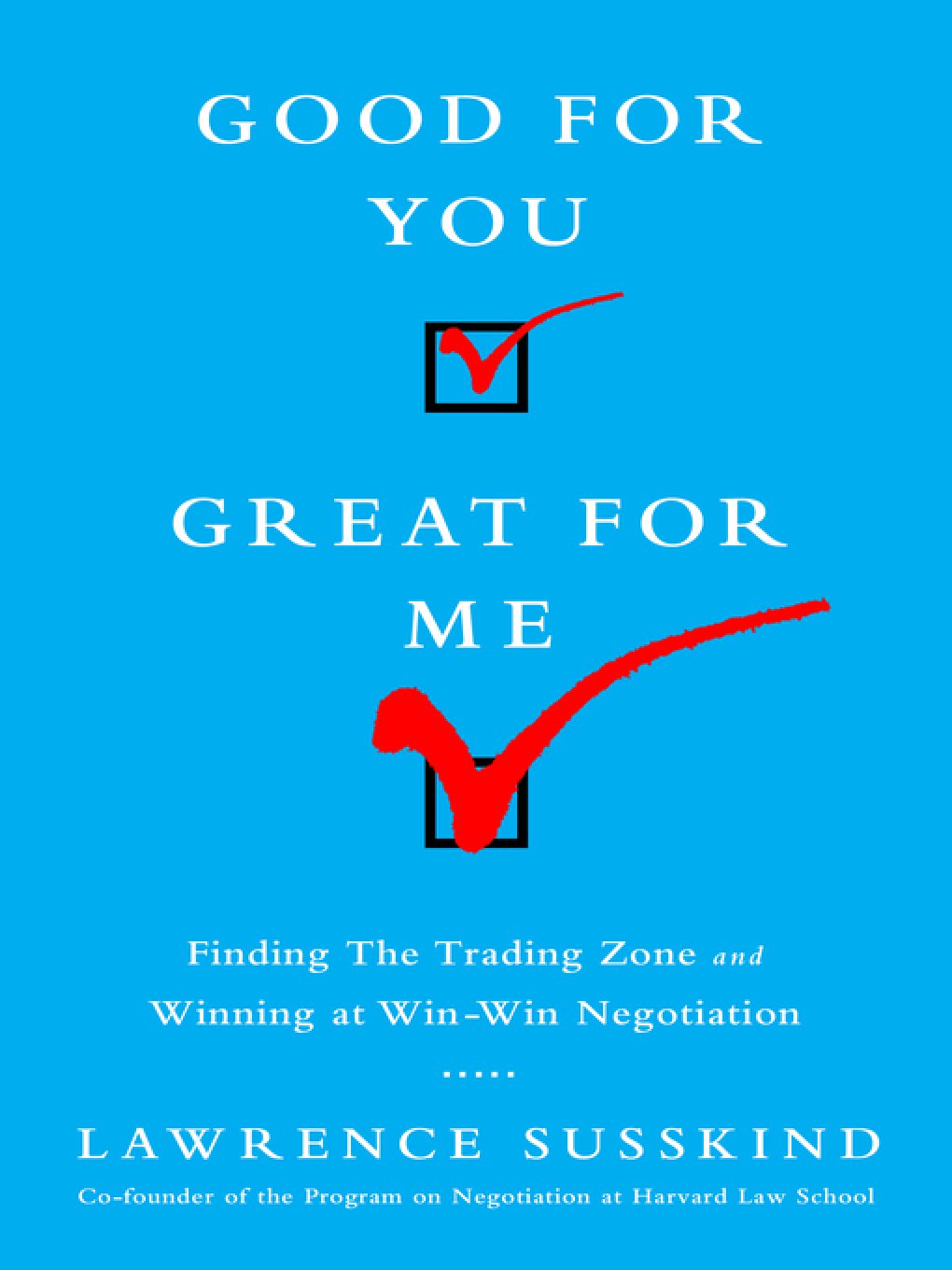
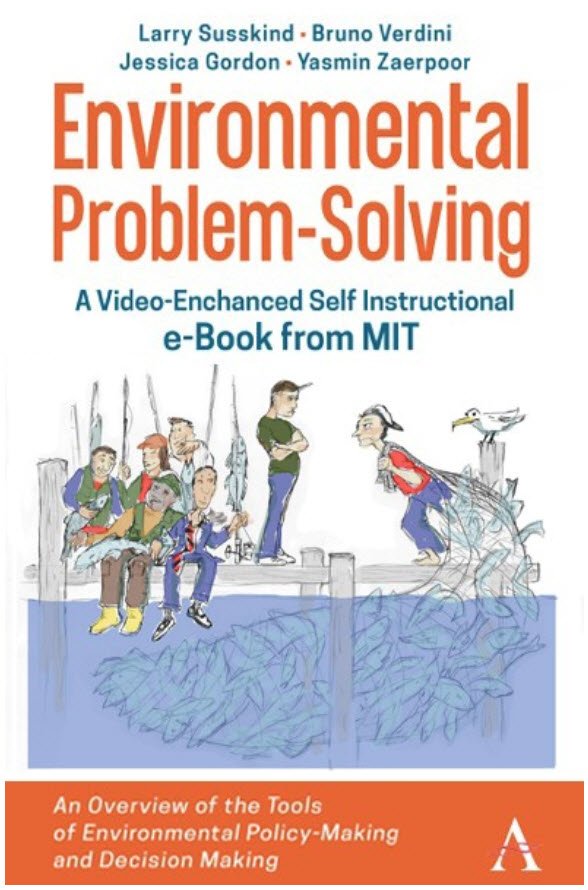
Larry Susskind is Ford Professor of Urban and Environmental Planning at the Massachusetts Institute of Technology in Cambridge, Massachusetts, USA. He has been a faculty member at MIT for more than fifty years, teaching international environmental negotiation, entrepreneurial negotiation, water diplomacy, mediation of complex resource management disputes and cybersecurity for critical urban infrastructure. He is co-founder and Vice-Chair for Pedagogy of the inter-university Program on Negotiation at Harvard Law School that has been seeking to improve the theory and practice of negotiation and dispute resolution forty years. Also, he is founder and Chief Knowledge Officer of the Consensus Building Institute, an international provider of mediation services in complex resource management disputes. Prof. Susskind has provided executive training to governmental and non-governmental leaders in more than 30 countries. He is the author of more than 20 books, many available in multiple languages. Through MITxPRO and MITx, he currently offers seven highly interactive online courses, most available at no charge, that explain his Mutual Gains Approach to creating value in negotiation and ways of using mediation to generate consensus in complex public disputes. He is a founding Board Member of the Science Diplomacy Center, Inc.
Publications
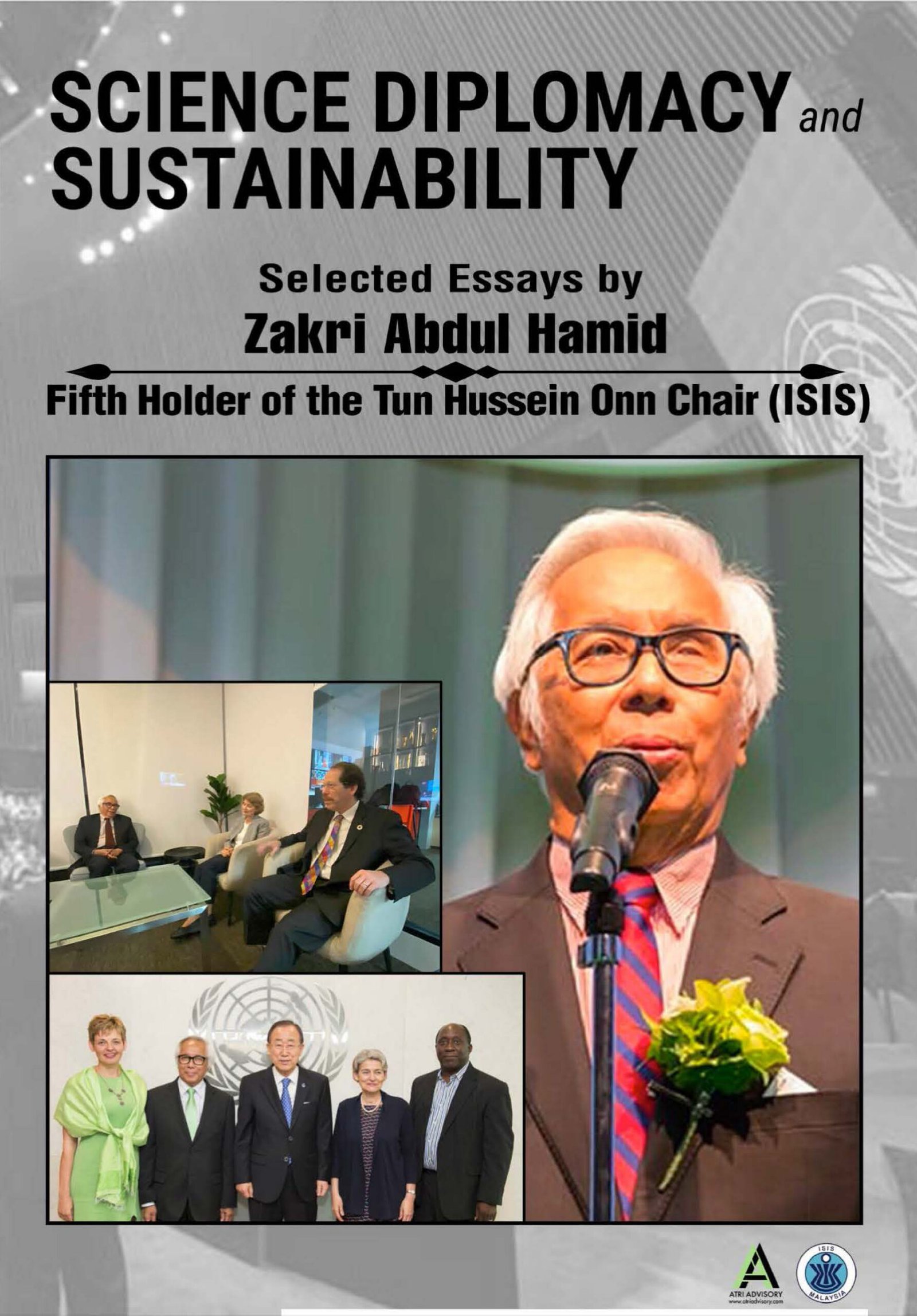
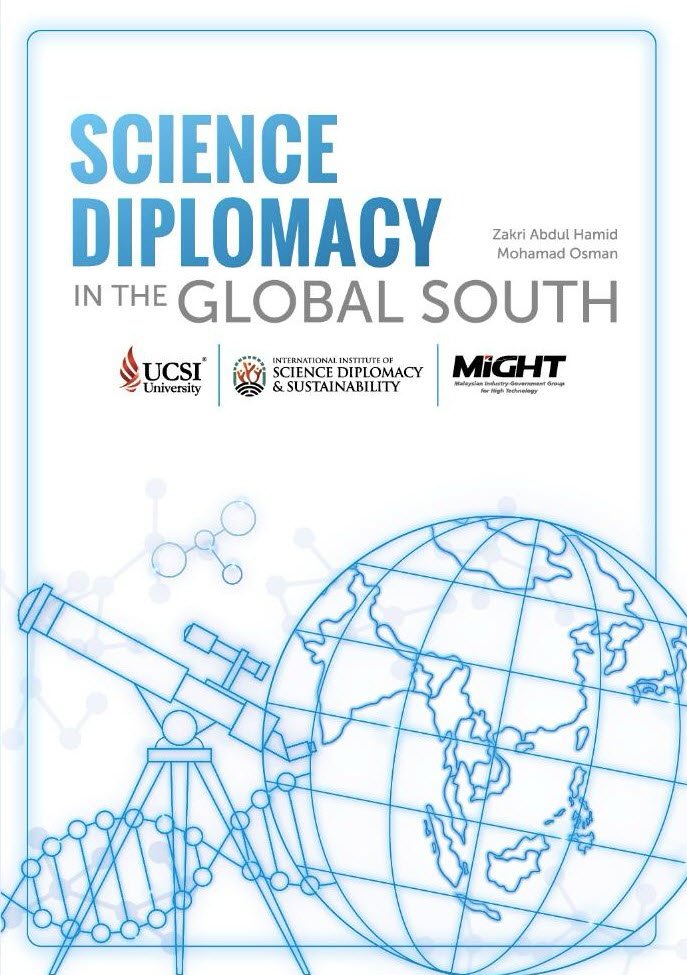
Tan Sri Professor Abdul Hamid Zakri
INTERNATIONAL INSTITUTE OF SCIENCE DIPLOMACY AND SUSTAINABILITY (IISDS) AT UCSI UNIVERSITY, MALAYSIA
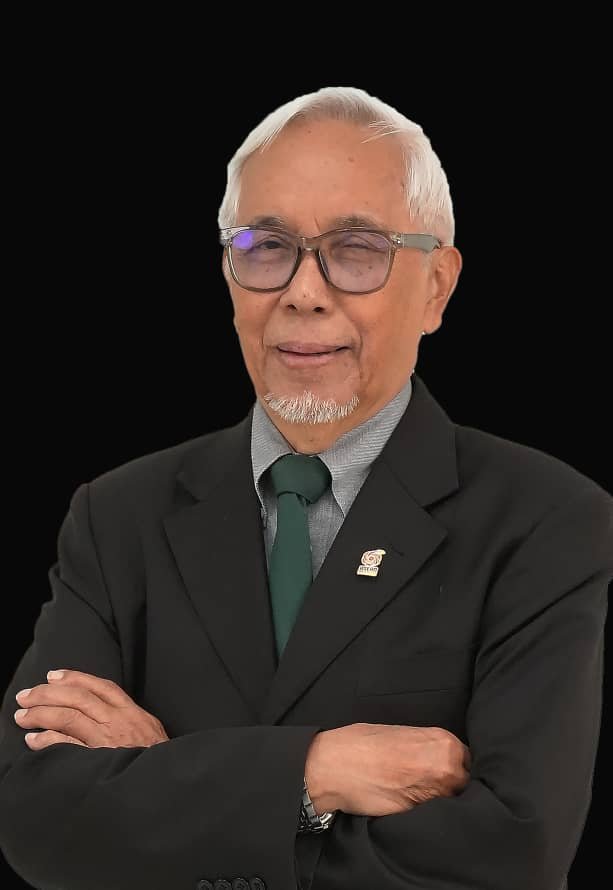
Professor Zakri is the Founding Director of the International Institute of Science Diplomacy and Sustainability (IISDS) at UCSI University in Malaysia, which was established in 2022, and is currently the Chairman of Atri Advisory in Malaysia. Prof. Zakri is a Founding Member of the International Network for Government Science Advice (INGSA) and Patron of the INGSA-Asia Chapter. His diverse leadership positions include: Director, United Nations University Institute of Advanced Studies (UNU-IAS, 2000-2008); Co-Chair of the Board of the Millennium Ecosystem Assessment, involving 2,000 experts from 95 countries (2000-2004); Science Advisor to the Prime Minister of the Federal Government of Malaysia (2010-2018); Joint Chair, Malaysian Industry Government Group for High Technology (MIGHT, 2011-2018); Founding Chair, Intergovernmental Panel on Biodiversity and Ecosystem Services (IPBES, 2013-2016) with 124 member states today; Board Member, United Nations Secretary-General’s Scientific Advisory Board Governing Council (2013-2016); and Member Governing Council, United Nations Technology Bank for Least Developed Countries (2016-2023). Prof. Zakri is a fellow of organizations globally, including the: Academy of Sciences of Malaysia; The World Academy of Sciences; World Academy of Arts and Sciences; Islamic World Academy of Sciences; and International Science Council. Three species (a beetle, cicada and pitcher plant) have been named after Prof. Zakri.
Publications