
10-Reference Bibliography

Methods*
The final 10 articles were chosen from a larger set of several hundred using a multi-step process guided by defined selection criteria. In an attempt to introduce objectivity into the bibliography’s construction, references were first filtered based on article impact (measured by citation count), Global South focus, and publication date. Because highly cited articles tend to be concentrated in specific disciplines, older, and from the Global North, articles were grouped into umbrella categories by theme (e.g., Environmental Diplomacy, Health Diplomacy, Theories and Frameworks), divided into pre- and post-2015, and by Global South focus (yes/no) before selecting the top 10% of articles within subgroups. Selections were then further refined using geographic and author diversity, resource type, accessibility, inclusivity, practical utility, novelty, and the balancing of national and common interests as criteria.
Findings*
The article selection process revealed trends in the evolution of the science diplomacy literature from its focus on state actors and the Global North to more recent emphases of Global South regions and perspectives, non-state actors, and Indigenous communities (although significant gaps in representation remain). Notable themes that emerged among the articles include the need for inclusivity, the balancing of national and common interests, and the evolving identities of science diplomats. These are explored in the annotations for each reference, which provide a brief summary of the reference as well as its key takeaways or contributions to the field:
1.
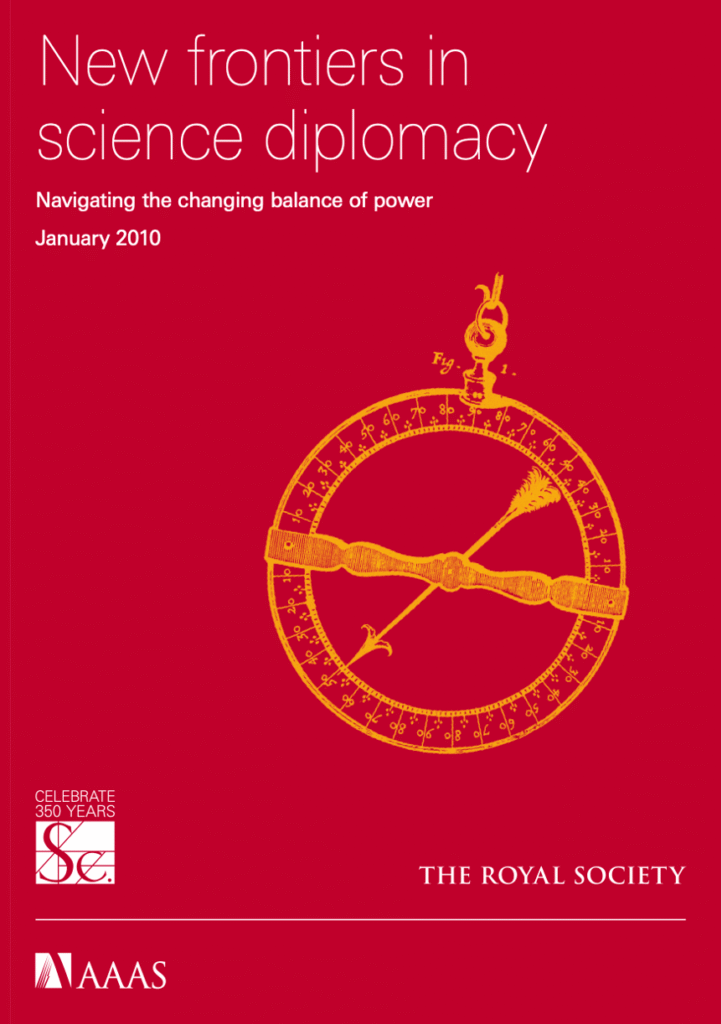
This influential report is the outcome of a 2009 conference organized by the Royal Society of London and the American Association for the Advancement of Science (AAAS). Popularizing the term science diplomacy and introducing the first widely accepted definition and theoretical framework, it marks a significant milestone in the development of science diplomacy as a recognized field. Most importantly, the report is widely cited for its three-pillar taxonomy of science diplomacy: science in diplomacy (informing foreign policy objectives with scientific advice), diplomacy for science (facilitating international science cooperation), and science for diplomacy (using science cooperation to improve international relations between countries).
2.
This article explores the science diplomacy approaches of six major industrialized nations—France, Germany, Japan, Switzerland, the United Kingdom, and the United States—to better understand their objectives, strategies, and programs in an emerging field. Beyond its noteworthy findings about the challenges and opportunities for science diplomacy from the nations’ differing approaches, what makes the article stand out in the literature is its emphasis on the dual nature of science diplomacy as having cooperative and competitive forms. While the dominant discourse primarily focuses on the collaborative and bridge-building aspects of science diplomacy, the authors also explain the tensions created by its inherently competitive dimensions as countries engage in science diplomacy to gain access to resources, promote their achievements, and exert influence in competition with other nations.
3.
In this article, the authors critique the tripartite framework in the Royal Society’s 2010 report, arguing that while it is useful for academic and theoretical discussions, a new model that aligns with and captures the practical responsibilities, motivations, and actions of government agencies is needed to put science diplomacy into practice. They therefore propose a new framing which posits three new categories of science diplomacy: actions designed to directly advance a country’s national needs, actions designed to address cross-border interests, and actions primarily designed to meet global needs and challenges. In shifting from framing science diplomacy around how governments intervene in international affairs to why they do so, the article shows the evolution of science diplomacy from its conceptual understanding to the development of practical models to help government agencies use science to reach common goals.
4.
What does it mean to be a science diplomat? Who can become one and when? What skills are necessary for emerging professionals in the field to have? Through his description of the professional identities and functions of science diplomats, Lorenzo Melchor’s article addresses these key questions and also provides useful guidance for those pursuing careers in science diplomacy. Included among the article’s clear, actionable insights for current and future science diplomats are a typology of science diplomacy practitioners across various scopes (international, national, subnational), sectors (government, industry, academia), and positions, a “toolbox” of required knowledge and skills to perform as a science diplomat, and recommendations for aspiring science diplomats from Melchor’s experience as a trained scientist and former science adviser in the Spanish Embassy in London.
5.
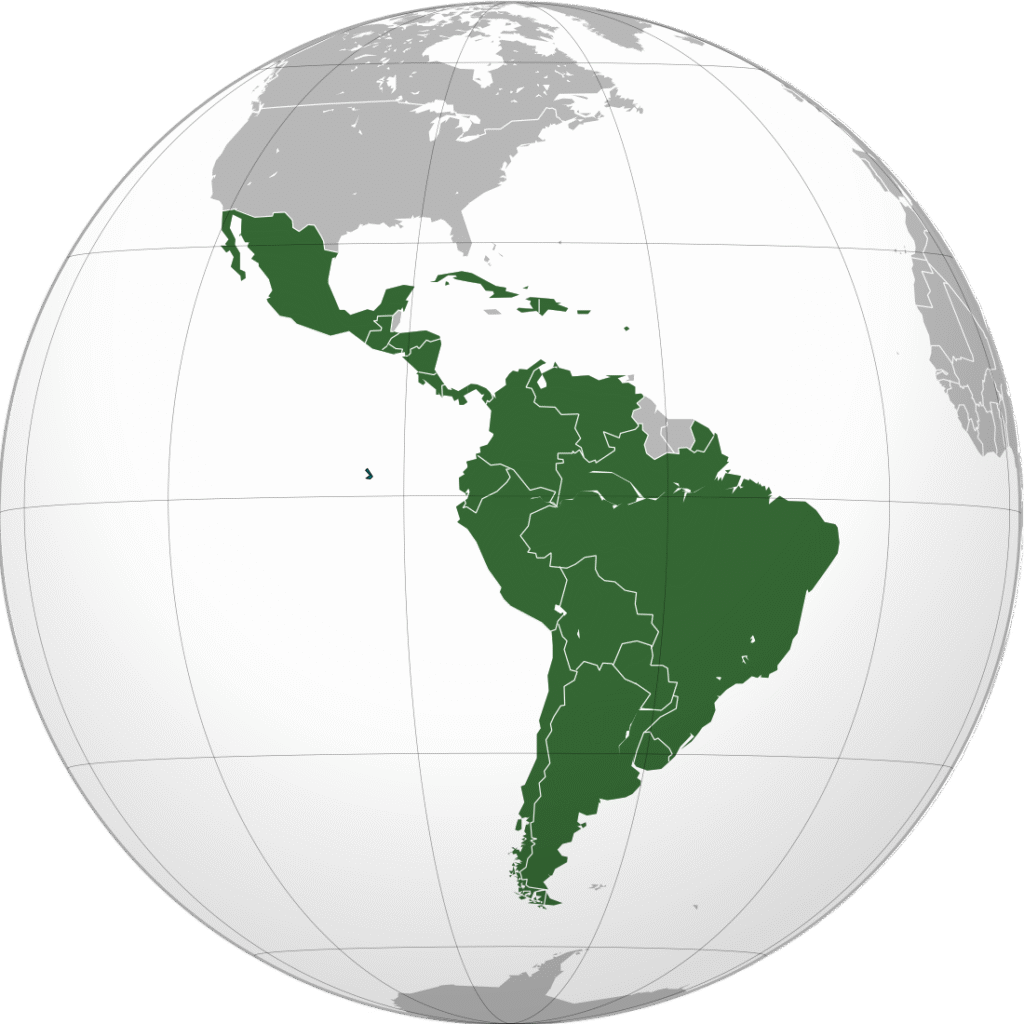
This article examines the current state of science diplomacy in Latin America and the Caribbean by presenting examples of national and regional initiatives and identifying current challenges and opportunities, ultimately providing concrete and contextually relevant recommendations for strengthening science diplomacy in the region. Although Latin America and the Caribbean have been underrepresented in the science diplomacy literature, Marga Gual Soler’s article brings attention to the region’s science diplomacy with an extensive yet detailed analysis. Importantly, she demonstrates how developing nations experiencing recent surges in science diplomacy or just beginning to engage with it can create their own locally adapted frameworks and strategies instead of simply adopting Global North models.
6.
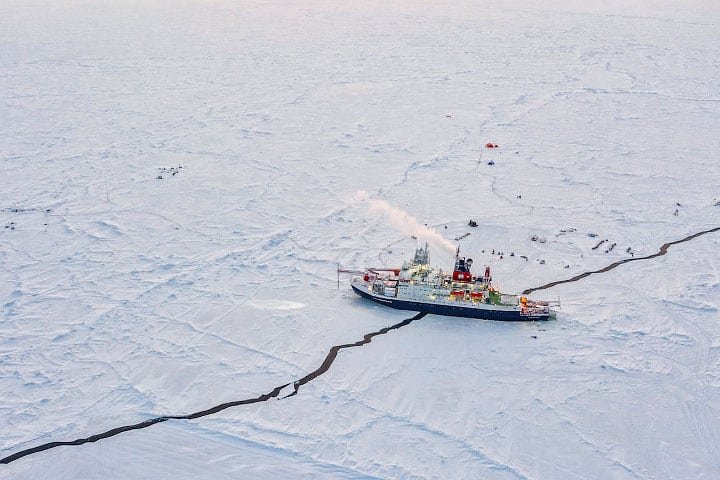
Under growing uncertainty due to environmental changes and power shifts in geopolitics, science diplomacy can play a stabilizing role by creating opportunities for building trust in international relations through scientific exchange. This article explores China’s use of science diplomacy to build trust and legitimacy in the Arctic, identifying four mechanisms of trust-building in scientific collaborations: the sharing of resources and infrastructure, personal interactions, science-based institutions, and spillover effects. In presenting a real-world case study of an underexamined non-Arctic actor’s use of science as a means of entry into a contested space, it offers a unique understanding of science diplomacy as a way to build trust, while also highlighting its limitations and the need for thoughtful navigation by science diplomats.
7.
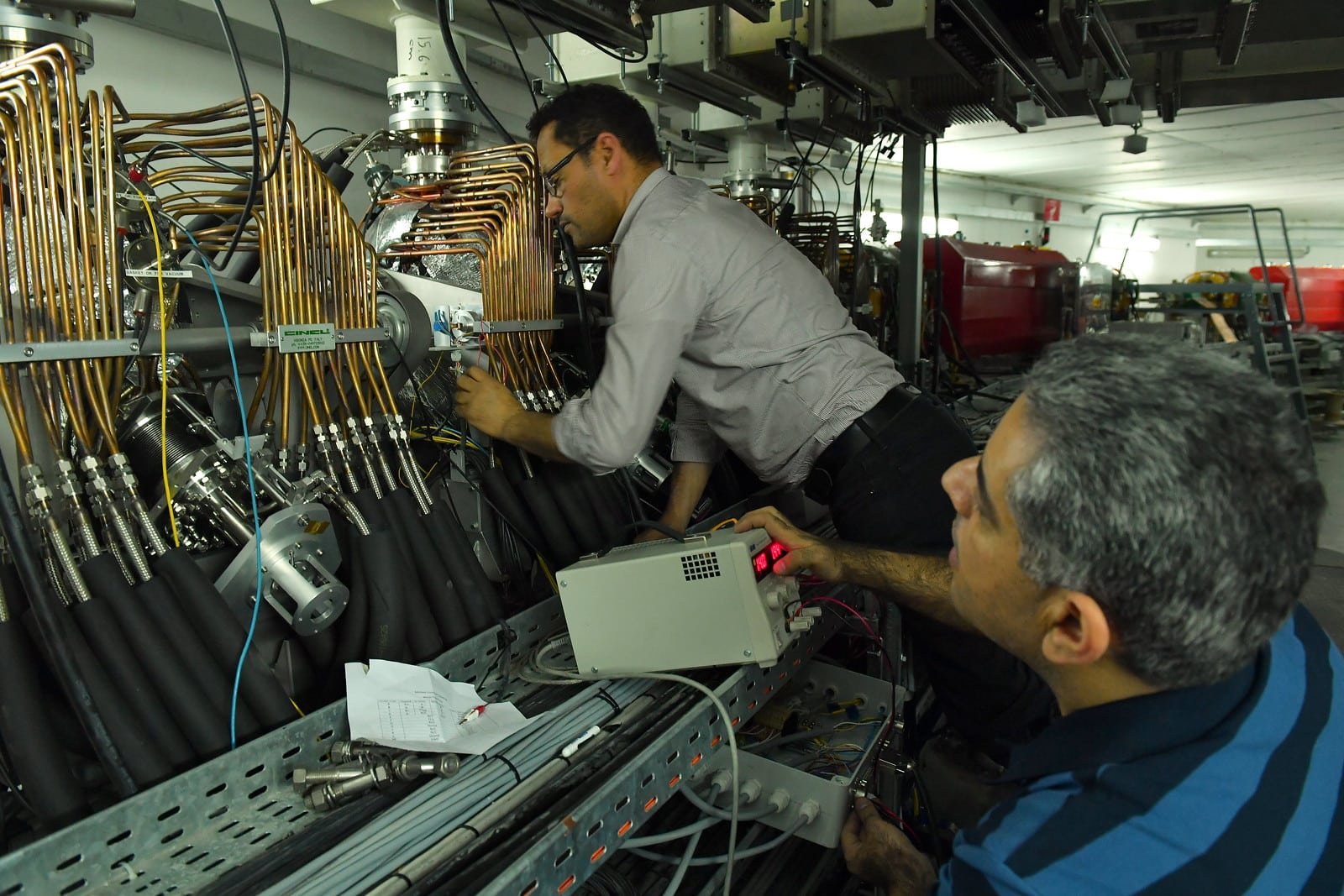
In examining SESAME (Synchrotron-light for Experimental Science and Applications in the Middle East), a research facility established in Jordan in the late 1990s to promote technological development and scientific cooperation among scientists from Cyprus, Egypt, Iran, Israel, Pakistan, Palestine, Turkey, and Jordan, this article illustrates how instruments can drive science diplomacy in a conflict-ridden region. SESAME is often described as a peacebuilding effort, but the authors explain that this can ignore aspects important to its core purpose of advancing scientific development in the region: helping address the historical lack of advanced scientific infrastructure in the Middle East and the marginalization of Arab researchers in the international scientific community. This scientist-led initiative also reveals the limitations of framing efforts as science diplomacy, as it can cause suspicion or resistance from researchers who perceive it as political, suggesting that, in some cases, science diplomacy is most effective when it focuses on science itself.
8.
In this article, the authors analyze how the Global Initiative on Sharing All Influenza Data (GISAID), launched in 2008 as an innovative mechanism to promote the rapid sharing of influenza virus data internationally, has shaped global health security and governance. The article demonstrates how a data access agreement, informal conflict resolution mechanisms, and inclusive participation from a range of stakeholders and institutions helped GISAID overcome barriers in international data sharing to establish a platform that has earned credibility among countries historically reluctant to share virus data, such as Indonesia, due to inequities. This real-world success story of science diplomacy shows how it can be used to design scalable and resilient systems that build trust, promote fairness and inclusivity, address sovereignty and rights concerns while enabling open data sharing, and align stakeholder concerns with global health priorities to serve common interests, especially in times of crisis.
9.
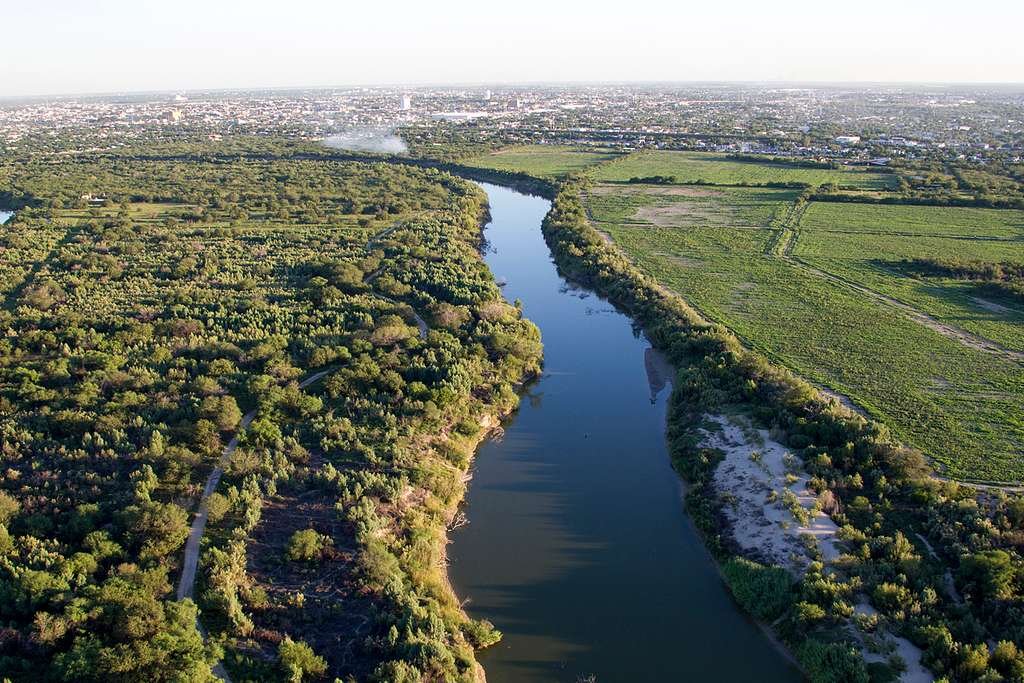
This article introduces the concept of hydrodiplomacy as a collaborative, adaptive, and inclusive approach to transboundary water management that blends together water diplomacy and science diplomacy. Using six major turning points in the evolution of 75 years of water relations between the U.S. and Mexico as a detailed case study, the authors apply adaptive governance theory to explore how hydrodiplomacy deals with regional complexity and uncertainty. They provide a conceptual framework for hydrodiplomacy and adaptive governance that crucially highlights the growing role and importance of non-state actors, and their analysis offers useful insights into the conditions for success in transboundary cooperation for balancing state priorities with the protection of shared ecological systems.
10.
This article centers Indigenous youth as leaders in climate diplomacy, presenting them as crucial actors to engage due to their ability to interweave Indigenous and non-Indigenous knowledge systems to build more sustainable and equitable futures in the face of climate change. Through local case studies, from the khettara groundwater system restoration in Morocco to a marine research laboratory partnership in Alaska, the authors show how Indigenous communities have already been leading climate adaptation efforts in collaboration with government agencies and other stakeholders while also calling attention to the systemic barriers they face, such as discrimination and erasure. The article ultimately offers a promising vision of science diplomacy that shifts away from traditional top-down institutional frameworks and elite actors towards a decolonial, justice-based approach that centers self-determination, representation, and empowering Indigenous youth as science diplomats through concrete opportunities for reform.

Appendix Materials*
The bibliography articles were selected from a larger set. After first grouping references into umbrella categories that reflect major themes, areas, or applications of science diplomacy to avoid potential disciplinary biases, the final 10 articles were chosen using the following selection criteria:
Article Impact
Citation counts were used as a metric for article impact, and were drawn from Web of Science and Dimensions for peer-reviewed articles. Due to differences in citation counts across databases, the top 10% of articles by citation count within each database were selected from each umbrella category. Google Scholar was used only for grey literature sources not indexed in the aforementioned databases.
Global South Focus
References were assessed using a binary indicator (yes/no) for whether or not the main region or country of focus is considered part of the Global South. To balance article impact with Global South representation (since Global North articles tend to receive disproportionate citations in the field), articles were split into two subgroups, Global South focused and not, within each umbrella category. Each subgroup was then ranked by citation count within each database source (Web of Science and Dimensions), and the top 10% of articles were selected from the Global South-focused and not articles separately.
Temporal Relevance
To represent the history and evolution of science diplomacy as a recognized field while reducing bias for older articles with higher citation counts, articles were split by date published before and after 2015 and then underwent the same selection process equally. Of the final 10 articles selected, two foundational articles were published before 2015.
Articles that met one of the following criteria were flagged as potential final candidates:
Geographic Diversity
Articles were selected to represent a variety of geographic areas based on case study region or country of focus, with priority given to articles that focus on regions that are underrepresented in the literature.
Author/Institutional Diversity
The institutional affiliations, disciplinary backgrounds, and identities of the authors were considered, with priority given to authors affiliated with Global South institutions.
Type of Resource
Priority was given to peer-reviewed articles, with gray literature included selectively.
To select the final 10, the filtered set of articles were reviewed and evaluated based on the following criteria:
Accessibility
Priority was given to articles that had open access through the journal in which it was published. Articles that were publicly available through other published sources were considered selectively.
Inclusivity
Articles needed to represent all six of the key interrogative questions (who, what, when, where, why, and how) of science diplomacy.
Practical Utility
Articles that offer concrete insights (e.g., frameworks, case study insights, implementation strategies, clear or actionable recommendations) for future science diplomats were prioritized.
Unique Contribution/Novelty
Articles were prioritized if they introduce or reinvent a key concept, apply theory in a new way or context, focus on underrepresented regions or communities, or provide novel frameworks or methodologies.
Balancing National vs. Common Interests
Articles needed to explicitly address the balancing of national and common interests in science diplomacy to be selected. Those that provided a more in-depth discussion of these tensions were prioritized.
Note: These 10 references come from a collection of over 300 citations gathered by Ms. English. Access to the extensive collection can be found from here.
Additional (Umbrella) Categories
- Agriculture, Food, & Plant Sciences
- GMOs, Food & Nutrition Security, Plant Health
- Arctic/Polar Science Diplomacy
- Colonial/Decolonial
- Indigenous Knowledge & Voices, Indigenous Peoples, Neocolonialism
- Data Diplomacy
- Disaster Diplomacy
- Environmental Diplomacy
- Climate Diplomacy, Geosciences, Atmospheric Sciences, Ecological Diplomacy, Conservation, Forest Governance
- EU Science Diplomacy
- Health Diplomacy
- Vaccine Diplomacy, COVID-19, Disease, Pharmaceuticals, Neurosurgery, Mental Health
- Higher Education
- Historical Cases of Science Diplomacy
- Cold War, Soviet Union
- Institutions, Networks, & Agreements
- Intergovernmental Organizations, Agencies, Partnerships, Treaties, Conventions, Global Research Networks
- International Relations
- Marine/Ocean Science
- Nuclear Diplomacy
- Peace/Conflict
- Science Advice
- Scientific Diasporas
- Science, Technology, & Innovation (STI)
- Security
- Space Diplomacy
- Sustainable Development
- Theories and Frameworks of Science Diplomacy
- Water/Hydrodiplomacy
* Here is a link to a publication that validates and elaborates the methodology Ms. Amelia English put in place to curate the 10-Ref Bibliography. Published just ten days after the completion of that bibliography, Rüland et al. (2025) present the first large-scale bibliometric mapping of the science diplomacy scholarship, using an LLM-enhanced approach combined with manual validation to examine authorship, funding, and geographical focus in the field.